What is a BDAR?
A Biodiversity Development Assessment Report (BDAR) is a technical ecological assessment required under the Biodiversity Conservation Act 2016 (NSW). It assesses the impact of a development on biodiversity values, particularly threatened species, ecological communities, and their habitats. A BDAR must be prepared by an accredited assessor and submitted to the NSW Department of Planning or local council as part of the development approval process.
What is a BDAR Waiver?
A BDAR Waiver is a formal request to the relevant government authority to bypass the need to submit a BDAR. A waiver is relevant when the proposed State Significant Infrastructure (SSI) or State Significant Development (SSD) development is not likely to have a significant impact on biodiversity values. If you are applying for a local development application (DA) you are not eligible for a BDAR Waiver.
Why would you need a BDAR Waiver?
You may need a BDAR Waiver if your project technically triggers the BOS threshold, but you believe that:
- Minimal impact will occur to biodiversity values, and
- A full BDAR would be disproportionate or unnecessary to the scale of the impacts.
Examples of potential waiver situations are internal fit outs of existing building, development on previously cleared site or planting native vegetation that is not consistent with a definable plant community type.
When might a BDAR Waiver be granted?
You may be eligible for a BDAR Waiver if:
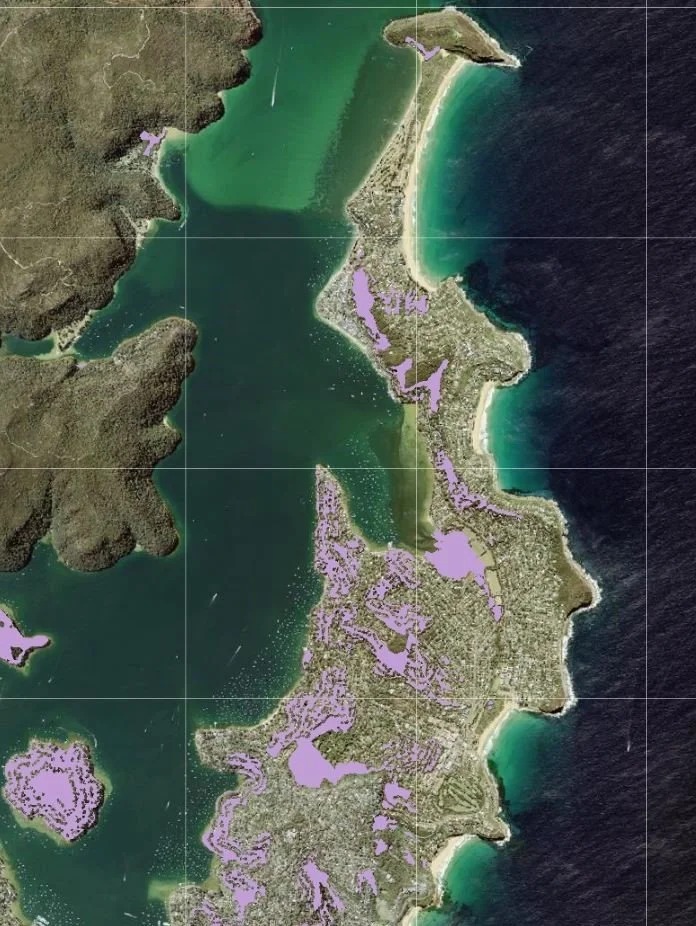
- The mapped Biodiversity Values Map (BVM) includes part of your land, but the area of actual impact is outside high-value habitat or limited in scope.
- The proposal involves minor or routine land use, such as:
- Minor boundary adjustments
- Infrastructure maintenance
- Low-scale developments with little or no clearing
- The biodiversity impact is negligible or very low (even though technically within a mapped biodiversity area)
Each waiver request is assessed on a case-by-case basis, and must be formally applied for via the NSW DCCEEW.
How to Apply for a BDAR Waiver
- Prepare supporting documentation, such as:
- A site plan
- Description of the proposed activity
- Preliminary ecological assessment or justification of low impact
- Submit your request to DCCEEW
- There may be a fee associated
- Online through the Biodiversity Offsets Scheme portal